Kitchen tips for Pakistani homes should make everyday cooking easier, keep food preparation hygienic and help you make better use of limited counter and storage space. From preparing onions, tomatoes and green chillies for daal or salan to storing flour, rice and spices, a few consistent habits can make a noticeable difference.
You do not need to renovate your kitchen or buy lots of organisers. Start with the areas you use most: the preparation counter, sink, cupboards and refrigerator. Then choose tools based on the tasks you repeat most often.
Start meal preparation with a clear counter
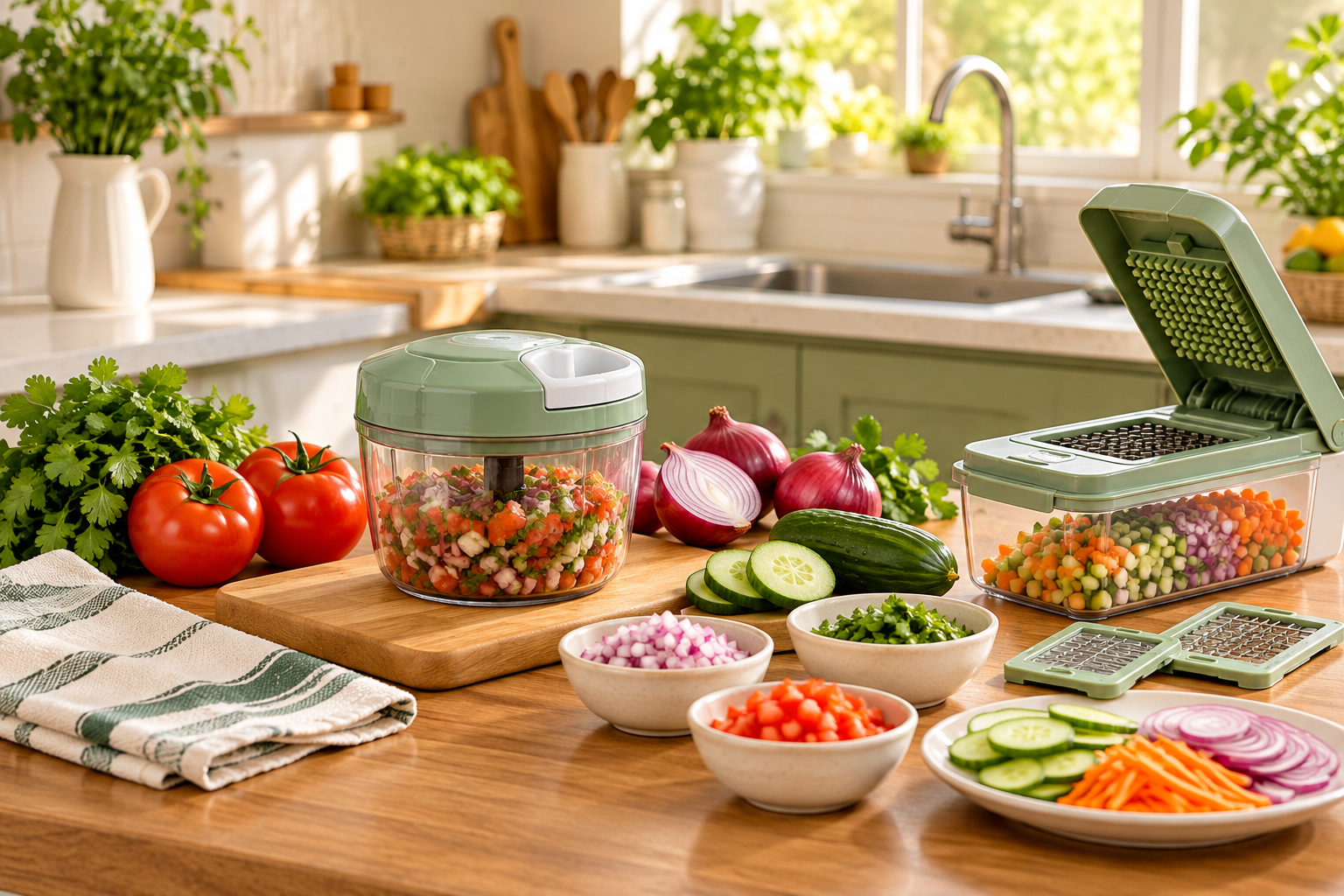
Before turning on the stove, take out the ingredients and utensils you need for the meal. Wash vegetables, gather spices and keep a small bowl nearby for peels and scraps. Leave enough clear space for a stable chopping board. This is especially helpful when preparing onions, tomatoes, green chillies, coriander and other ingredients used in many Pakistani dishes.
Wash produce under clean running water. Keep raw meat and poultry separate from vegetables and ready-to-eat foods, and wash hands, utensils and surfaces between tasks. FoodSafety.gov explains the basics in its four steps to food safety.
1. Pick tools that suit your cooking routine
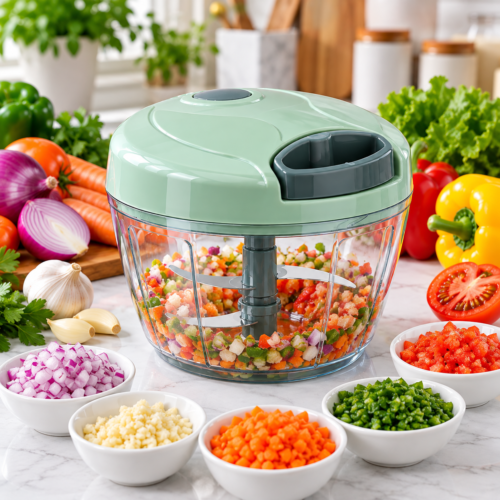
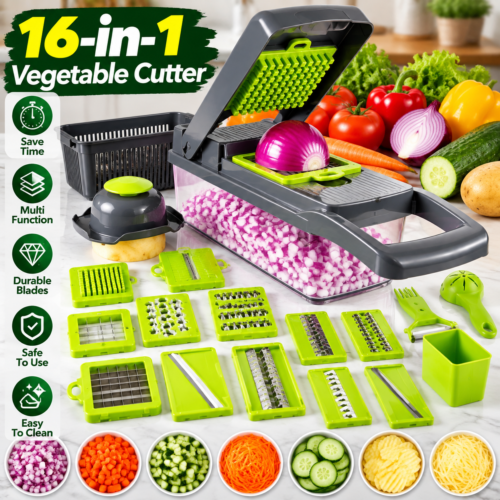
A gadget is useful when it solves a regular problem, not simply because it has many functions. If chopping onions, garlic or herbs takes up time every day, a manual chopper may be worth considering. If you regularly need different cuts for salads, mixed vegetables or cooking, a multi-blade cutter may be more suitable.
Before buying, compare the size, included blades, stability, cleaning instructions and storage needs. Check how the parts lock together and handle sharp inserts carefully. Keep blades away from children and never use a cutter if a component is loose or damaged.
- For frequent chopping, check the manual food chopper and its care instructions.
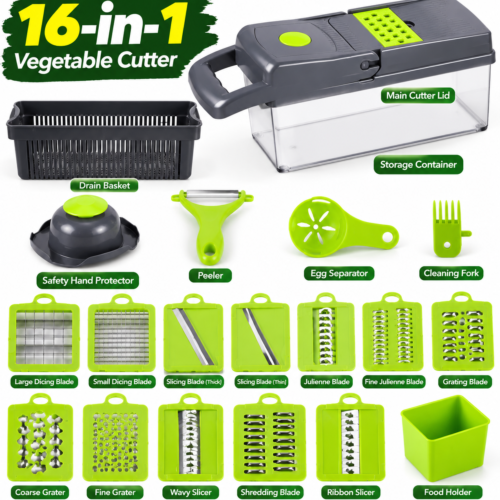
- For different vegetable cuts, review the 16-in-1 vegetable cutter and its included attachments.
2. Make a compact kitchen easier to use
In a compact kitchen, the counter can quickly fill with jars, appliances and utensils. Keep daily-use items within easy reach and move occasional-use tools to a shelf or cupboard. Group similar items together—for example, cooking spoons in one holder, food-storage containers in one place, and baking or serving items separately.
Use vertical shelf space where it is safe, but do not stack heavy items overhead or store frequently used objects where you have to stretch. Leave the main chopping area clear rather than using it as permanent storage. Every item should have a practical place to return to after use.
3. Keep the sink area clean and dry
After washing dishes or vegetables, clear away food scraps and wipe up standing water. Store sponges and cloths where they can dry between uses, and wash or replace them regularly. A tidy sink area leaves more room when you need to wash a large pot or prepare ingredients.
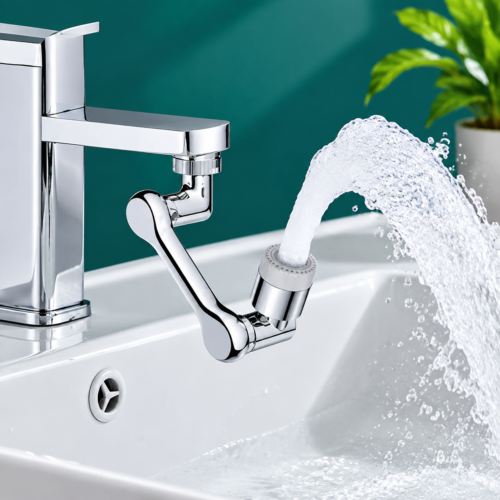
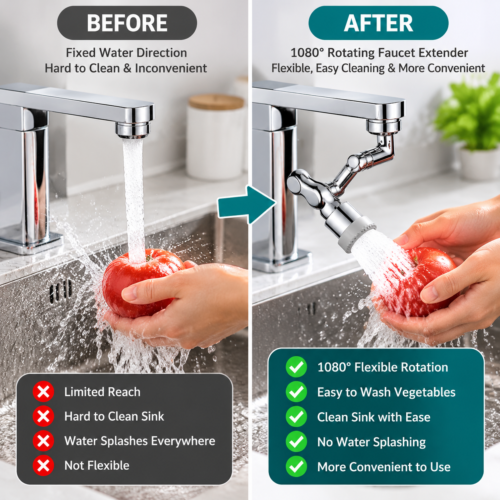
If you are considering a tap attachment, check the tap design and connection size first. Do not force a fitting that does not match your faucet. Review the product details for the rotating faucet extender before deciding whether it suits your sink.
4. Store spices and dry ingredients properly
Keep flour, rice, lentils and other dry ingredients in clean, dry, tightly closed containers. Label containers where it is difficult to identify the contents, and use older stock before opening a new pack. Store spices away from heat, steam and direct sunlight, and avoid putting a wet spoon into a container.
Refrigerate perishable foods promptly, especially in hot weather. FoodSafety.gov advises refrigerating perishable food within two hours, or within one hour when temperatures are above 32°C. Keep raw meat in a leak-proof container and separate it from ready-to-eat food.
5. Wash and dry utensils after use
Wash cutting boards, knives and food-contact parts after use, particularly after handling raw meat. Follow the manufacturer’s instructions for choppers and cutters; removable parts are not automatically dishwasher-safe. Dry components thoroughly before storing them, and check that blades are not loose, damaged or rusty.
Do not put a tool away with food residue still attached. Cleaning it straight after use is usually easier than dealing with dried-on food later. If the product has several pieces, check that each part is clean and dry before reassembling it.
6. Finish with a five-minute kitchen reset
At the end of meal preparation, put ingredients away, wash the tools you used, wipe the counter, clear the sink and return everyday utensils to their place. Dispose of scraps, clean spills and check that food has been stored safely. This short reset makes the next cooking session more manageable and helps prevent clutter from building up.
7. Check usefulness before buying a gadget
Before purchasing a new tool, ask yourself four questions: Will I use it regularly? Does it fit my counter and cupboard space? Can its food-contact parts be cleaned properly? Are the included parts and instructions clearly explained? These checks can help you avoid buying a gadget that ends up unused in a drawer.
Compare the available kitchen gadget range with the kitchen accessories collection to find items that fit your routine.
Frequently asked questions
How can I organise a small kitchen on a budget?
Start by removing items you no longer use, grouping similar utensils and reusing clean containers you already own. Keep the ingredients and tools you use most often accessible before buying new organisers.
Which kitchen gadget should I buy first?
Choose according to the task you repeat most often. A manual chopper may help with frequent chopping, while a multi-function vegetable cutter may suit households that prepare several types of vegetable cuts. Check cleaning, safety and storage requirements before buying.
What is an important kitchen hygiene habit?
Keep raw meat separate from vegetables and cooked food, wash hands and surfaces, and clean utensils between tasks. These simple steps help reduce cross-contamination.
Build a kitchen routine that lasts
The most useful kitchen habits are the ones you can maintain every day: prepare your counter, store ingredients sensibly, clean as you go and choose tools that suit your cooking habits. Before ordering from KitchLand, check the delivery and return policy so you understand the store’s terms.